Shield Your Home: Trusted Pest Treatment for Termite Infestations
Termites create a considerable threat to homes, typically delivering major destruction before homeowners even become aware of an infestation has developed. Familiarizing yourself with their conduct and makeup is essential for reliable prevention. Routine inspections can spot obvious indicators, but many are oblivious of the most reliable strategies. Looking into both at-home solutions and commercial options can offer benefit. What are the most reliable methods to secure a property from these destructive check now creatures? The answers may astound you.
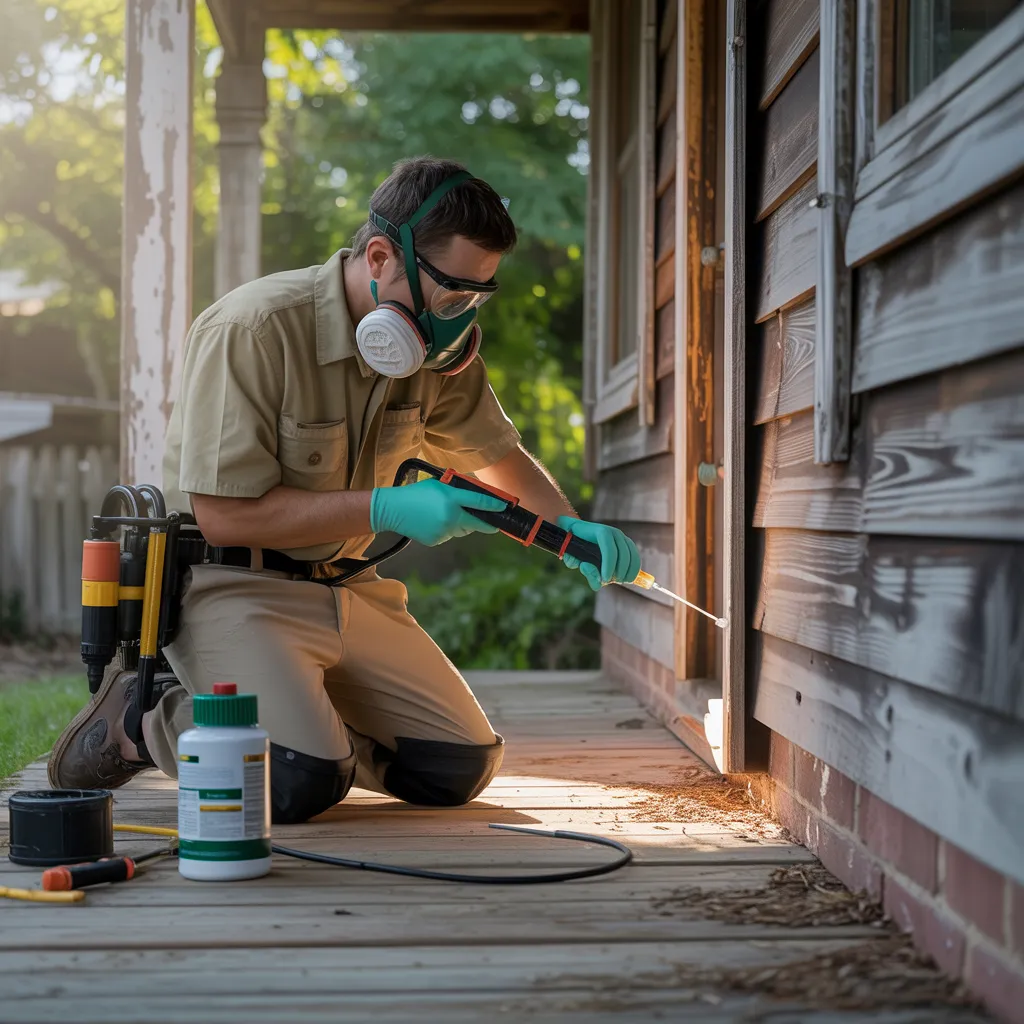
Grasping Wood-Eating Insect Actions and Anatomical Characteristics
Termites coordinate through chemical messengers, which help organize operations such as seeking food and alarm responses. Their dwelling preferences differ; some species build intricate nests, while others choose to remain hidden within wood. The mating process involves mass dispersal, where winged termites relocate to establish new colonies. Understanding these behavioral patterns and biological features is vital for executing focused treatment strategies, lessening harm, and defending both homes and natural environments from pest outbreaks.
Symptoms of Termite Damage in Your Property
Although frequently hidden, the signs of termite infestation can be slight yet alarming. Homeowners must be careful for certain indicators that may suggest the presence of these damaging pests. One well-known sign is the presence of dirt tubes, which are narrow tunnels made from soil and saliva, often found along foundation walls. In addition, discarded wings near windows or doors may indicate swarmers, revealing a possible infestation.
Another warning sign includes thin-sounding wood, as termites devour the inner cellulose, leaving the outer structure intact. Homeowners might also notice frass, or wood dust, building up near wood structures, a sign of continuous eating. Finally, sudden cracks in walls or ceilings can signal termite damage. Spotting these signs early can help in lessening damage and preserving the integrity of the home.
Tips for Effectively Stopping Termite Invasions
Halting termite infestations requires an engaged approach that encompasses regular home assessments, robust humidity control, and correct wood care options. By recognizing deficiencies in advance and solving them, homeowners can substantially decrease the likelihood of an plague. Employing these approaches produces a more favorable environment for termites, advancing extended safeguarding.
Routine Home Inspections
Regular residential inspections are an important part of protecting properties against termite infestations. Conducting inspections at least once a year allows homeowners to spot potential signs of termite activity, such as mud tubes, discarded wings, or damaged wood. Professional inspectors bring the expertise needed to uncover hidden infestations that might not be seen by untrained eyes. Furthermore, these inspections can identify structural vulnerabilities, allowing for timely repairs before termites can cause further harm. Homeowners should inspect often targeted areas, including basements, attics, and crawl spaces. Early detection through regular inspections not only safeguards the home's integrity but also markedly lowers the costs related to extensive damage repairs. Maintaining vigilance can ultimately provide long-term peace of mind.
Moisture Management Strategies
Not only do home inspections detect termite activity signs, but they also bring attention to moisture issues that may attract these pests. To prevent infestations, effective moisture control tactics are necessary. Homeowners must confirm adequate drainage around the foundation, directing water away from the building. Inspecting gutters and downspouts regularly for blockages helps avoid water buildup. Additionally, good ventilation in crawl spaces and attics reduces humidity, making the environment less suitable for termites. It is important to seal any leaks in plumbing and roofs because even small moisture levels can attract pests. Finally, using a dehumidifier in moist areas can further reduce the chances of termite attraction, creating a dry and hostile environment for these destructive insects.
Wood Protection Approaches
Applying wood treatment options is vital for protecting buildings against termite infestations. There are several methods to increase wood's resistance to these destructive pests. Pressure-treated wood, infused with protective chemicals, provides a strong barrier, discouraging termites. Borate treatments, another proven alternative, penetrate the wood and offer long-lasting protection by disrupting the insects' digestive processes. Furthermore, using naturally resistant species, like cedar or redwood, helps lessen susceptibility. Frequent surveys and maintenance also allow early detection of any potential infestations, enabling prompt response. Combining these wood treatment approaches enables homeowners to significantly lower the risk of termite problems, maintaining their structures' integrity and guaranteeing a termite-free environment.
Established Do-It-Yourself Strategies for Termite Treatment
In addressing termite management, multiple DIY strategies can be very successful. Natural deterrents and barriers provide homeowners convenient options for protection, while trapping systems provide a straightforward method for monitoring and eliminating pest colonies. Comprehending these techniques can enable homeowners to safeguard their homes from possible damage.
Natural Pest Repellents and Physical Barriers
Natural repellents and barriers provide an efficient means to combat termite infestations without using harsh chemicals. Homeowners can utilize substances like orange oil, which contains d-limonene, known to disrupt termite cell structure. Neem oil also serves as a natural deterrent, influencing termites' hormonal balance and preventing reproduction. Another option is diatomaceous earth, a non-toxic powder that damages termite exoskeletons upon contact, causing dehydration. Creating barriers with physical materials such as steel mesh or sand can also prevent termite entry points. Regular upkeep of landscaping and ensuring proper drainage can further reduce infestation risks. Implementing these natural methods boosts home protection while fostering an eco-friendly method to pest management.
Baiting Systems Demystified for Beginners
Effective bait delivery systems provide a solid technique for tackling termite pest outbreaks. These systems use deliberately positioned bait stations loaded with cellulose material, meant to entice foraging termites. Once termites ingest the bait, they bring it back to their colony, where it damages the growth and health of the entire population. Baiting systems commonly incorporate insect growth regulators or slow-acting insecticides that handle termites without triggering them. Homeowners can position these stations in areas of high termite activity, observing them regularly for effectiveness. While DIY baiting can be efficient, it is important to follow instructions carefully and maintain a frequent check on the bait levels. This forward-thinking approach helps secure long-term protection against future infestations.
When is it time to call a specialist about termite control?
When should homeowners think about hiring expert assistance for termite management? Homeowners facing signs of a pest infestation, such as mud tubes, damaged wood, or discarded wings, should respond promptly. If the infestation has moved beyond a small, manageable area, professional support is recommended. Additionally, those unsure about the magnitude of the issue find value in expert assessments, as professionals can identify and address hidden infestations.
Homeowners who have experimented with DIY techniques without achieving success should also pursue professional assistance. This is essential when addressing extensive damage, as professionals possess specialized tools and expertise to successfully eradicate termites and stave off future infestations. Moreover, if a home is located in a vulnerable region for termites, frequent expert evaluations may be warranted, even in the absence of visible signs. In these cases, prompt expert assistance can shield homeowners from expensive restoration and ensure thorough termite management.
Long-Term Solutions for a Termite-Free Home
To keep a termite-free home, homeowners must adopt preventative strategies that extend beyond immediate treatments. Prevention is key, beginning with routine copyrightinations of the property to detect potential vulnerabilities. Keeping wood and soil away from close proximity is important, as termites flourish in damp environments. Homeowners can also explore using treated wood for construction and renovations, which is less attractive to these pests.
Another productive approach involves implementing protective shields, such as metal shields or sand barriers, during the construction period. Maintaining proper drainage and ensuring gutters are clear can greatly reduce moisture levels around the foundation, further hindering termite activity. Additionally, yard work should be managed to avoid wood mulch near the home, selecting alternatives that are less inviting to termites. By integrating these long-term solutions, homeowners can create an environment that minimizes the risk of termite infestations, promoting a safer living space.
The Price Tag of Termite Damage: Is Prevention Efforts Worth It?
What degree can the expenses of termite damage represent for homeowners? The economic consequences can be enormous, with research demonstrating that termite damage expenses U.S. homeowners billions annually. Fixing structural damage typically varies from $3,000 to $8,000, contingent on the severity of the infestation. In addition, these creatures can lower a home's value, discouraging potential buyers and producing substantial losses if the property is sold.
Channeling resources into preventive approaches, such as regular inspections and treatments, is often viewed as a sound financial decision. These preventive actions can reduce the danger of severe infestations, ultimately saving homeowners from costly repairs. While upfront preventative expenses may appear high, they are typically outweighed by the potential expenses resulting from unchecked termite damage. As a result, homeowners must balance the long-term benefits of prevention against the immediate costs to protect their property and investment.
Common Questions Posed Often
Can Termites Create Structural harm in Just a Several Months?
Yes, wood-eating insects can result in considerable foundation problems within just a few months. Their swift destruction of wood and cellulose materials undermines the soundness of buildings, making early detection and intervention vital for homeowners.
What Constitute the Optimal Natural Approaches for Termite Control?
Organic remedies for pest control involving termites include nematodes, diatomaceous earth, orange oil, and vinegar. These approaches hamper termite activity and discourage infestations without harsh chemicals, presenting eco-friendly alternatives for homeowners looking for effective pest management solutions.
How Do Weather Conditions Affect Termite Activity?
Weather conditions greatly influence termite activity. Warm, humid climates boost their reproduction and foraging, while colder temperatures can reduce their movements. Heavy rainfall can result in increased humidity, producing favorable conditions for infestations.
What Wood Types Appeal to Termites?
Yes, termites are attracted to specific types of wood, especially those that are soft, decaying, or untreated. Species such as pine and fir are particularly attractive, as they offer ideal nesting and feeding environments.
Can Household Pets Sense Termite Colonies?
Pets are sometimes able to identify termite infestations because of their keen sense of smell. However, while dogs may exhibit interest in affected areas, they are not reliable indicators, and professional inspections remain vital for accurate detection.